

Yusuke Kobori’s Tokyo Title Shock
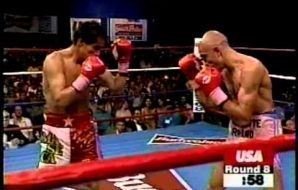
On May 19, 2008, Yusuke Kobori stopped José Alfaro in the third round in Tokyo to win the WBA lightweight championship. His reign ended on January 3, 2009, when Paulus Moses defeated him by unanimous decision.
The WBA’s May 2008 championship report records Kobori’s third-round stoppage victory over Alfaro on May 19. WBA: May 2008 championship report. The victory made him a WBA titleholder in the 135-pound division.
Kobori lost the title in his first defense against Namibia’s Paulus Moses in Yokohama on January 3, 2009. Moses won by unanimous decision over twelve rounds, as documented in the WBA’s January report and contemporary Namibian coverage.
Explore more boxing on MMAUSA.
Kobori’s world-title run followed years of work in Japan’s domestic and regional scene. He had already won Japanese and OPBF championships and recorded notable victories over Dainoshin Kuma and Takashi Miura before stepping up to challenge for the WBA lightweight belt. That progression gives the Alfaro fight a clearer place in his career: it was the move from success among Japanese contenders to a recognized world championship. The WBA’s title record lists Kobori as champion after the May 2008 win, while his first defense against Moses came less than eight months later (WBA fight history).
The outcome of that defense is central to how his reign should be described. Kobori did not build a long sequence of successful title defenses; he held the championship for one fight before Moses outpointed him over twelve rounds. The contrast between the two contests is notable: Kobori ended the Alfaro bout early, but Moses took the decision in a full championship distance. In other words, Kobori’s title story includes both the decisive finish that won him the belt and the longer tactical contest that ended his reign. It was a brief championship period, but the title win placed him among Japan’s world-level lightweights.
Kobori’s connection to boxing continued after his competitive career. He retired in 2009 and later returned to Kadoebi Houseki, the gym where he had trained, to work as a trainer. The change from contender to coach gives his career a second chapter: he moved from preparing for title bouts to helping develop fighters in the same local boxing environment. His record of 23 wins, three losses and one draw, with twelve knockouts, captures a substantial professional career, while his gym role shows how that experience continued to serve Japanese boxing after he left the ring (Asian Boxing).
The move from super featherweight to lightweight
Kobori built his championship credentials at super featherweight before stepping up to lightweight. In January 2006, he stopped Keita Manabe in the second round to win the Japanese super-featherweight title. His domestic reign included further defenses, giving him experience in title contests before the opportunity against Alfaro.
In May 2007, Kobori defeated Junji Murakami at Korakuen Hall in a bout involving his Japanese championship and the vacant OPBF super-featherweight title. The Japan Boxing Commission’s May 2007 rankings identify him as OPBF champion. He remained active at the national level, with a January 2008 decision over Hiroyasu Matsuzaki preceding his world-title win later that year.
Those results trace a progression through domestic and regional competition into a heavier division on the world stage. His WBA reign was brief, but the Alfaro victory was the culmination of that earlier championship work. The subsequent Moses defense supplies the other endpoint of the reign, separating the title-winning stoppage from the twelve-round decision that ended his time as champion.
Sources
Article Tags
Yusuke Kobori, Boxing, Boxing History, Championship Results