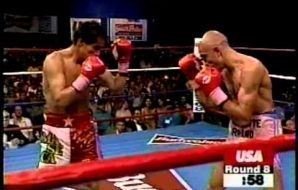


Beau Jack’s Boxing Firestorm: The Georgia Gusher
Beau Jack’s rise from shoe-shining in Augusta to headlining Madison Square Garden became one of boxing’s defining stories of the 1940s. A compact, relentless lightweight, he brought a swarming style and a punishing volume of punches to the ring. He would headline the Garden twenty-one times and twice hold the New York Boxing Commission’s version of the world lightweight title.
From Augusta to Madison Square Garden
Born Sidney Walker in Waynesboro, Georgia, on April 1, 1921, Jack grew up in Augusta with his grandmother, who gave him the nickname “Beau Jack.” As a boy he shined shoes around town and at Augusta National. Golfer Bobby Jones and other club members helped him get formal boxing training after seeing him win a battle royal. At fifteen, Jack had already been fighting in those brutal contests, where Black men were made to battle for the entertainment of paying spectators.
Jack turned professional in 1940. His pace and volume overwhelmed opponents, and New York audiences took to him quickly. On December 18, 1942, he knocked out Tippy Larkin in the third round at Madison Square Garden to win the New York-recognized lightweight championship. The distinction matters: boxing’s lightweight title was contested among different sanctioning bodies and commissions during this era.
The Montgomery rivalry
Bob Montgomery soon became Jack’s chief rival. Montgomery beat him by decision in May 1943, Jack reclaimed the New York title in their rematch, and Montgomery took it back in March 1944. Their August 1944 “War Bonds Fight” at the Garden carried a purpose beyond boxing: both men were newly inducted Army privates, they donated their purses, and tickets were available to buyers of war bonds. Jack won the match, which drew record sales. The New Georgia Encyclopedia’s Beau Jack biography details the benefit and both fighters’ decision to forgo their purses.
Jack’s later title challenge came against lightweight champion Ike Williams in July 1948. Williams stopped him in the sixth round. They met three more times: Williams won twice and the other bout was a draw. Their final meeting, in Augusta on August 12, 1955, was also Jack’s last professional fight.
A lasting legacy
After boxing, Jack worked at a barbecue stand, farmed, refereed wrestling, and eventually returned to shining shoes while living in Miami. He also helped train fighters at the Fifth Street Gym. His career record varies across historical accounts, but his place in boxing history is clear: Beau Jack was a major attraction of his era and a member of the International Boxing Hall of Fame. His story remains part of the broader history of boxing, shaped by extraordinary talent and the barriers Black athletes faced outside the ring.
Sources
- New Georgia Encyclopedia, “Beau Jack”
- International Boxing Hall of Fame, Beau Jack
Article Tags
Beau Jack, Boxing, Boxing History, Championship Boxing